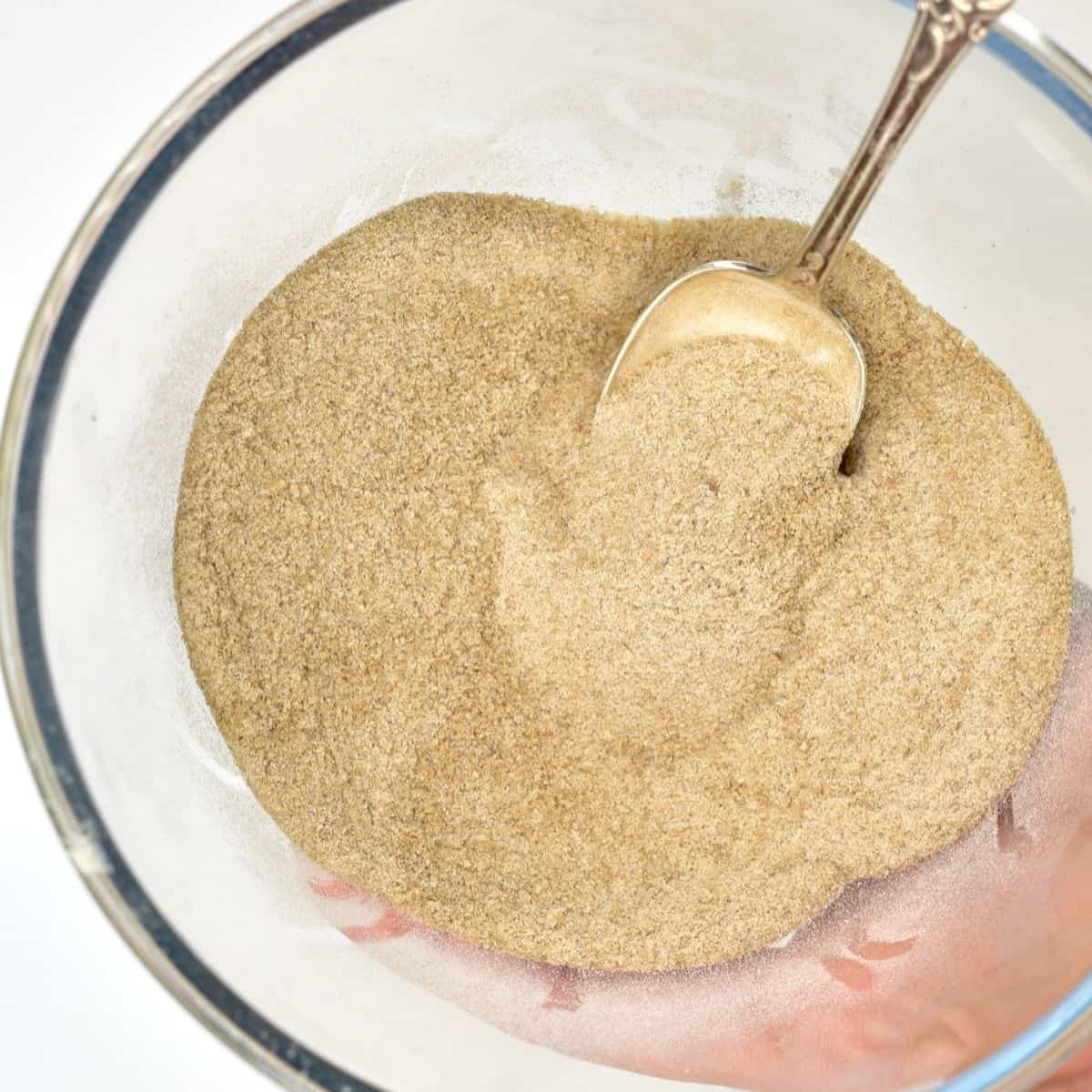
Unlocking the Power of Flour: How to Make Vital Wheat Gluten and Wheat Flour Starch at Home
In an age where health-conscious cooking and DIY projects reign supreme, discovering how to make essential ingredients from scratch can be incredibly empowering. One such culinary marvel, frequently featured in viral videos and health food discussions, is the process of extracting vital wheat gluten and its often-overlooked counterpart, wheat flour starch, directly from everyday flour and water. This guide will demystify the "flour washing" method, offering you a comprehensive approach to creating these versatile components right in your kitchen.
Whether you're aiming to craft your own homemade seitan, enhance the elasticity of your baked goods, or explore new culinary textures with wheat starch, the journey begins with understanding the simple science behind it. Forget expensive, hard-to-find ingredients; all you truly need are a bag of flour, some water, and a little patience.
What Exactly Are Vital Wheat Gluten and Wheat Starch?
Before diving into the "how-to," it's crucial to understand what you're actually creating. Wheat flour is a complex mixture, primarily composed of carbohydrates (starch) and proteins (gluten). The magic of this process lies in separating these two main components based on their different interactions with water.
Vital Wheat Gluten (VWG)
Also known simply as "wheat gluten" or "wheat protein," vital wheat gluten is essentially a super-concentrated form of wheat protein. When flour is mixed with water, the proteins glutenin and gliadin combine to form an elastic network – this is gluten. Vital wheat gluten powder, as you might buy it in a store, is flour with almost all the starch removed, leaving behind a potent protein punch. In its wet, homemade form, it's the incredibly stretchy, cohesive mass you'll be left with after washing. Gluten is water-insoluble, which is why it remains solid throughout the washing process.
Its unique properties make it invaluable:
- Seitan Base: It's the primary ingredient for making seitan, a popular plant-based meat alternative known for its chewy, satisfying texture.
- Dough Enhancer: A small amount added to bread doughs can significantly improve elasticity, chewiness, and crumb structure, especially beneficial for low-protein flours or specialty breads.
- Thickener: Its protein content can also contribute to thickening capabilities in certain recipes.
Wheat Starch
While the gluten often steals the spotlight, the wheat starch is a valuable byproduct. Starch is the carbohydrate component of flour, serving as an energy reserve for the wheat plant. Unlike gluten, starch is water-soluble (or at least dispersible in cold water, forming a suspension) and will readily wash out of the dough during the process.
Don't dismiss it as merely "waste product"; wheat starch has its own array of culinary applications:
- Thickening Agent: Similar to cornstarch or potato starch, it can be used to thicken sauces, gravies, and soups, providing a clear, glossy finish.
- Noodles: It's a key ingredient in making various types of clear, springy noodles, such as glass noodles.
- Crispy Coatings: When used in batters for frying, wheat starch can contribute to an incredibly crispy texture.
Why Make Your Own? The Benefits of DIY VWG & Starch
You might wonder why bother when you can buy vital wheat gluten powder at the store. The reasons are compelling, extending beyond mere curiosity:
- Cost-Effectiveness: Store-bought vital wheat gluten, especially organic varieties, can be surprisingly expensive. Making it at home from an inexpensive bag of flour is significantly more budget-friendly. This can lead to substantial savings over time, particularly if you use it regularly for seitan or baking. You can learn more about the financial benefits in our article, DIY Vital Wheat Gluten: Save Money & Improve Dough Elasticity.
- Accessibility: Vital wheat gluten isn't always readily available in standard supermarkets. Health food stores or specialty Asian markets are often your best bet, but even then, stock can be inconsistent. Making it yourself ensures you always have a fresh supply.
- Control & Purity: When you make it yourself, you know exactly what goes into your vital wheat gluten and starch – just flour and water. This eliminates concerns about additives, preservatives, or other processing agents sometimes found in commercial products.
- Freshness: Freshly made vital wheat gluten has a unique texture and flavor profile that some prefer, especially for seitan, compared to reconstituting powdered gluten.
- Zero Waste: The process yields two valuable ingredients from one source. Instead of discarding the starch-rich water, you transform it into another useful component, embodying a truly sustainable kitchen practice.
The Simple Ingredients and Equipment You'll Need
The beauty of this process lies in its simplicity. You don't need specialized equipment, just basic kitchen tools and two fundamental ingredients.
Ingredients:
- High-Protein Flour: This is the cornerstone. While you *can* use all-purpose flour (aim for 10% protein or higher), bread flour is often recommended due to its naturally higher protein content (typically 12-14%). The higher the protein percentage, the more gluten you'll extract, and the more robust your final product will be.
- Cold Water: Filtered or tap water is perfectly fine, as long as it's safe to consume. Using cold water is generally preferred as it slows down initial gluten development, making the dough less sticky and easier to handle during the initial wash. Some recipes specify a flour-to-water ratio by weight, often around 1.5:1 (e.g., 21 oz flour to 14 oz water), but you can adjust based on your flour's absorption.
Equipment:
- Large Mixing Bowl: For creating the dough.
- Stand Mixer (Optional): Speeds up dough formation, but hands work just as well.
- Large Container or Pot: Essential for the washing process.
- Colander or Sieve: To drain the starch water and prevent any small gluten pieces from escaping.
- Measuring Cups/Scales: For precise ingredient measurement.
- Rubber Spatula or Spoon: For scraping starch from the bottom of the container.
- Dehydrator or Oven (Optional): For drying the vital wheat gluten into powder form for long-term storage.
- Blender or Spice Grinder (Optional): To grind dried gluten into powder.
Step-by-Step Guide: How to Make Vital Wheat Gluten and Wheat Flour Starch
The process is straightforward, requiring mostly patience and a bit of elbow grease. Here's how to make vital wheat gluten and wheat flour starch:
Step 1: Create a Stiff Dough
Begin by combining your high-protein flour and cold water in a large mixing bowl. If using a stand mixer, attach the dough hook and mix on low speed until a cohesive, stiff dough forms. If mixing by hand, gradually incorporate the water into the flour, kneading until all the flour is hydrated and you have a firm, non-sticky dough. The consistency should be quite firm, much like a pasta dough. Avoid over-kneading at this stage; just enough to bring it together.
Step 2: Rest for Gluten Development
Once your dough is formed, cover the bowl with plastic wrap or a damp cloth and let it rest at room temperature for 30-60 minutes. This resting period is crucial. It allows the gluten strands to fully hydrate and relax, making them easier to separate from the starch during the washing phase. The dough will become noticeably more elastic and slightly sticky after resting – this is a good sign.
Step 3: The Washing Process – Separating Gluten from Starch
This is where the magic happens. Fill a large container or bowl about two-thirds full with cold water. Submerge your rested dough ball completely in the water. Gently begin to knead, squeeze, and stretch the dough under the water. You'll immediately notice the water turning cloudy and milky – this is the starch dissolving and leaching out of the dough. As you continue to knead, the dough will start to shrink and become more elastic and stringy.
Periodically, carefully pour off the milky water into a separate clean container (this is your starch water, so don't discard it!). Refill your washing bowl with fresh cold water and continue kneading the dough. Repeat this process – washing, draining the starch water, and refilling with fresh water – until the water you're washing in runs mostly clear. This usually takes 5-10 changes of water, depending on the amount of flour you started with. A handy tip is to use a colander or fine-mesh sieve when draining the starch water to catch any small bits of gluten that might break off, ensuring maximum yield.
Step 4: Harvest Your Wet Vital Wheat Gluten
Once the water runs clear and you're left with a cohesive, highly elastic, and somewhat yellowish mass, you've successfully extracted your vital wheat gluten. It will feel incredibly stretchy and bouncy. Give it a final squeeze to remove excess water. This is your "wet" vital wheat gluten, ready for immediate use.
Step 5: Process the Wheat Starch
Now, turn your attention to the collected milky water. Allow the starch water to sit undisturbed for several hours, or even overnight, in a cool place. You'll observe the fine, white starch particles settling firmly at the bottom of the container, leaving a layer of clearer water on top. Carefully pour off this clear water, being gentle not to disturb the settled starch. You can discard the clear water. What remains at the bottom is your wet wheat starch. Scrape it out with a spatula. It will be a thick, paste-like consistency.
Beyond the Wash: Utilizing Your Homemade VWG & Starch
Having successfully made your vital wheat gluten and starch, you now have a world of culinary possibilities!
For Vital Wheat Gluten:
- Immediate Use (Seitan): The wet gluten is perfect for making seitan. You can knead it with seasonings, broth, and flavorings, then boil, steam, or bake it to create various meat substitutes. Many dedicated seitan recipes begin with this raw gluten.
- Drying for Powder: For longer storage and versatility in baking, you can dry your wet vital wheat gluten. Break it into small pieces and spread them thinly on a dehydrator tray or a baking sheet lined with parchment paper. Dehydrate at a low temperature (around 120-135°F / 50-57°C) until completely dry and brittle. Alternatively, use your oven's lowest setting with the door ajar. Once dry, grind the brittle pieces into a fine powder using a blender, spice grinder, or coffee grinder. Store this homemade vital wheat gluten powder in an airtight container in a cool, dark place for several months.
For Wheat Starch:
- Fresh Use: The wet starch can be used directly as a thickener, similar to cornstarch slurry. Mix a small amount with cold water to create a slurry before adding to hot liquids to avoid lumps.
- Drying for Powder: To store your wheat starch, spread the wet paste thinly on a baking sheet or dehydrator tray and allow it to air dry completely, or use a dehydrator on a low setting. Once dry and crumbly, you can powder it further if desired and store it in an airtight container.
- Noodle Making: Experiment with recipes for homemade starch noodles, which often call for a combination of wheat starch and other flours for texture.
Tips for Success
- Flour Quality Matters: Don't skimp on flour protein content. A bread flour will yield significantly more gluten than a pastry flour.
- Be Patient with Washing: The washing process takes time, especially if you're working with a larger batch. Don't rush it; ensure the water runs clear to get the purest gluten. For a deeper dive into the washing technique, check out Mastering Vital Wheat Gluten & Starch: The Flour Washing Guide.
- Cold Water is Key: It helps keep the gluten tight and easier to handle, preventing it from becoming too sticky and falling apart during washing.
- Handle Gently: While the gluten is robust, avoid tearing it excessively during washing. Gentle kneading and squeezing are most effective.
- Starch Settlement: Give the starch water ample time to settle. Rushing this step will result in less pure starch.
- Storage: Properly store your dried vital wheat gluten and starch in airtight containers away from moisture and light to prolong their shelf life.
Making vital wheat gluten and wheat flour starch from just flour and water is a truly rewarding kitchen project. It connects you more deeply with your food, offers significant cost savings, and opens up a new realm of culinary possibilities. Experiment with different flours, refine your technique, and enjoy the satisfaction of creating these versatile ingredients from scratch.
